
Conference Line-up
Building Agency Wealth Without the Daily Grind
“We suddenly had a business that was thriving without our day-to-day input. It unlocked a whole new world.”
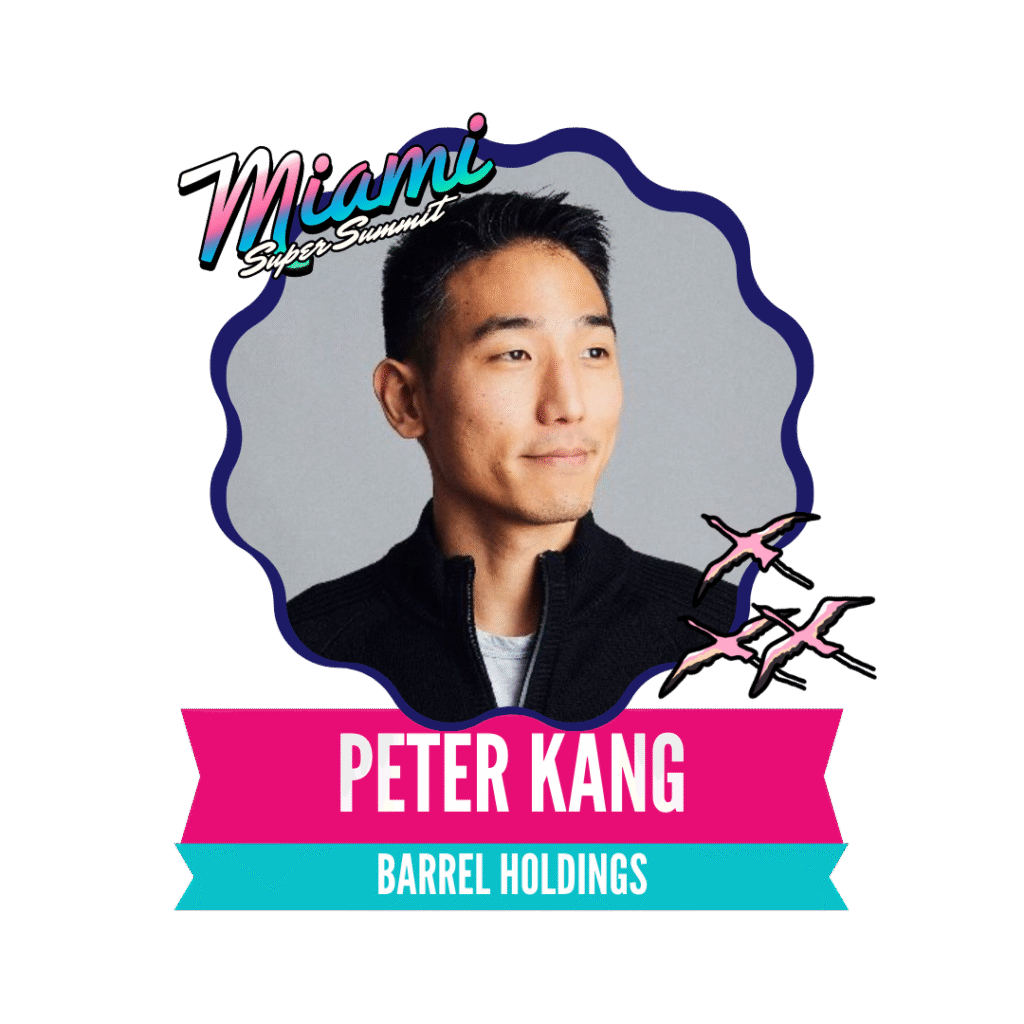
For 15 years, Peter Kang was a hands-on operator at his agency, Barrel. He was busy, stressed, and involved in every decision – convinced that growth depended on him being in the middle of everything.
One day, he offloaded a set of legacy clients by spinning them into a separate business and putting someone else in charge. Peter was shocked to see it grow faster without him than it ever did with him. “I asked myself… ‘Why are we still running Barrel?’” Peter says.
In this session, Peter shares the “messy truth” of his transition from operator to “capital allocator.” He’ll open up about the mechanics of his acquisitions – including the mistake of buying a “distressed” agency that required double the work for half the return – and how he uses SBA loans to buy competitors with just 10% down.
🐬 Whether you want to build an empire or just run a single, bulletproof agency, Peter will show you how to stop thinking like a freelancer and start thinking like an investor – treating your profit not as cash to take home, but as “poker chips” to place strategic bets on your future
Fire Yourself – Without Burning the Agency Down
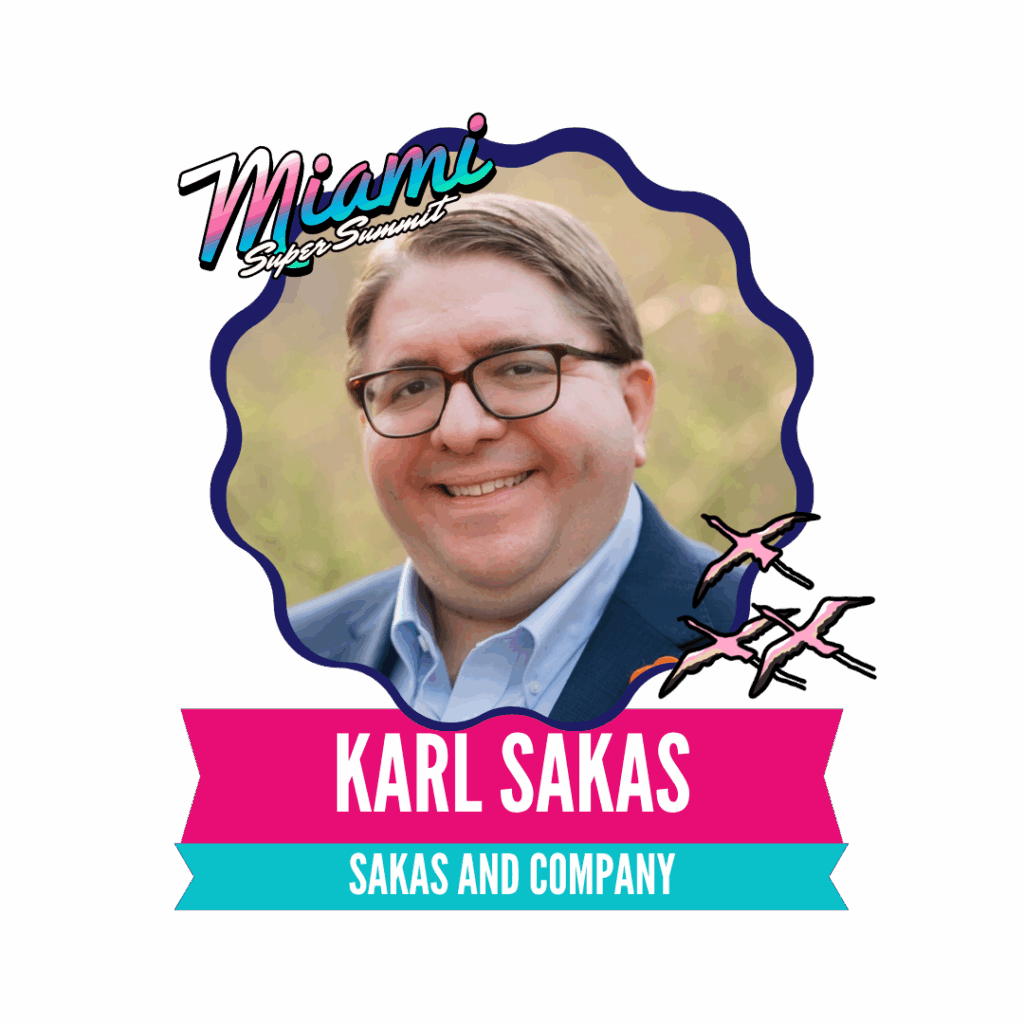
An agency owner complained to Karl Sakas: “Why can’t my team do this? I can do it easily!”
“That’s the reason you’re the agency owner,” says Karl Sakas. “But it’s also exactly why you’re stuck.”
Most founders think they are doing one job. In reality, they are doing five or six. And until you identify and fire yourself from every single one of them, you will never have the option to exit.
“If an owner wants the option to sell or just to step back, they need to get themselves out of their current job,” Karl explains.
It’s a lesson he taught one client eight years ago. The owner was drowning in client work, unable to see a way out. Karl didn’t suggest a quick hire. Instead, they built a rigorous, multi-year plan to transition a promising Account Manager up the ladder: Director, VP, President, and finally CEO.
The result? The owner now works a few hours a week and pulls in $500K a year in profit. He has successfully fired himself.
🐬 In this session, Karl digs into the “messy truth” of handing over the reins. He warns against the “double job” trap – where a new CEO is still stuck leading their old department – and exposes the leadership vacuums that rot agencies from the inside out.
Whether you want to exit in a few years or make yourself more optional today, this session will help you make yourself less essential – without losing control of the agency.
How Small Projects Turn Into $500k Accounts
“We thought we’d lost the deal. It turned out to be the beginning.”
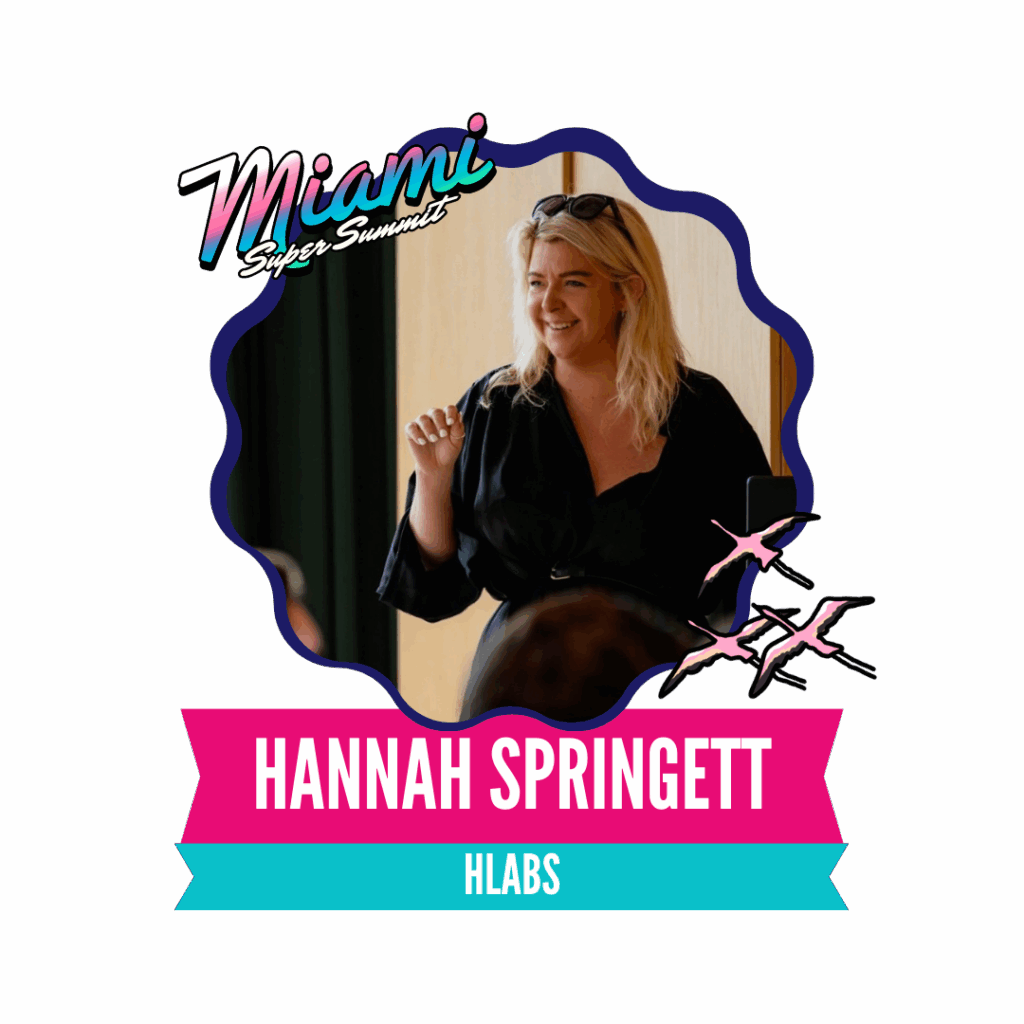
One day, a global hotel brand asked Hannah Springett to pitch for a $300,000 international campaign. It was the dream brief – prestige brand, serious budget, global reach.
Her team at HLabs went all in.
Weeks later, the reply landed: Our plans have changed. Would you take on a $9,000 project instead?
It felt like a downgrade, but Hannah said yes – and treated the smaller brief like it mattered.
HLabs turned the work around in 10 days, exceeding expectations on speed, quality, and execution.
A few weeks later, the client came back – this time with a $500,000 campaign.
Today, they’re one of HLabs’ longest-standing accounts.
🐬 In this session, Hannah breaks down how agencies actually grow accounts in the real world – earning trust early, doing the “small” work brilliantly, and turning initial projects into long-term, high-value relationships.
If you want bigger clients without constantly pitching new ones, Hannah will show you how to think long-term, play the trust game properly, and grow revenue from the clients you already have.
How Agencies Are Rebuilding Delivery with AI
“We didn’t remove the humans. We removed hundreds of wasted hours.”
Michael King of iPullRank has spent the last few years carefully automating some of the most time-consuming parts of agency life, without turning his agency into a black box.
Reporting. SEO audits. Prospect diagnostics. Sales pre-qualification. They’ve all been rebuilt as repeatable, semi-automated pipelines where data flows in, decisions are made, and the team focuses only on the final mile: judgement, editing, and delivery.
Nothing ships without human review, but the heavy lifting is largely gone.
In this session, Michael walks through how his agency has saved hundreds of hours a year by automating deliverables and internal workflows – and why founders, not teams, are usually the ones driving this change at first.
We’ll cover:
- What’s safe to automate (and what absolutely isn’t)
- How to keep quality high while moving faster with fewer people
- Why agencies that ignore AI-driven workflows will struggle on margin
- How automation has allowed his agency to charge differently – and more profitably – in emerging AI-led services
🐬 If clients keep asking you to do more with less, this session shows how agencies are quietly rebuilding their operations to survive – and win – in the next phase.


Built To Change: Designing The Agency of Tomorrow
The creative industry is running on muscle memory.
Tactics that once worked, roles that once made sense, and models that once delivered real value are slowly failing. Because the world has changed. Clients are smarter. AI is everywhere. And the biggest threat to your agency isn’t irrelevance; it’s inertia.
In this wake-up call for agency leaders, Carl Smith unpacks the forces reshaping what it means to run a creative company in the Intelligence Age. We’ll explore why your most significant asset is no longer your service offering or “unique” process but your ability to think, adapt, and build systems that learn. We’ll look at what tomorrow’s clients value, why full-service isn’t the problem (but outdated thinking is), and how to shift from effort-based work to insight-based impact.
This shift isn’t a teardown. It’s a rebuild. One rooted in curiosity, honesty, and the drive to do meaningful work in a world that won’t stop moving.
Why Your Agency Won’t Scale With the Same Leadership
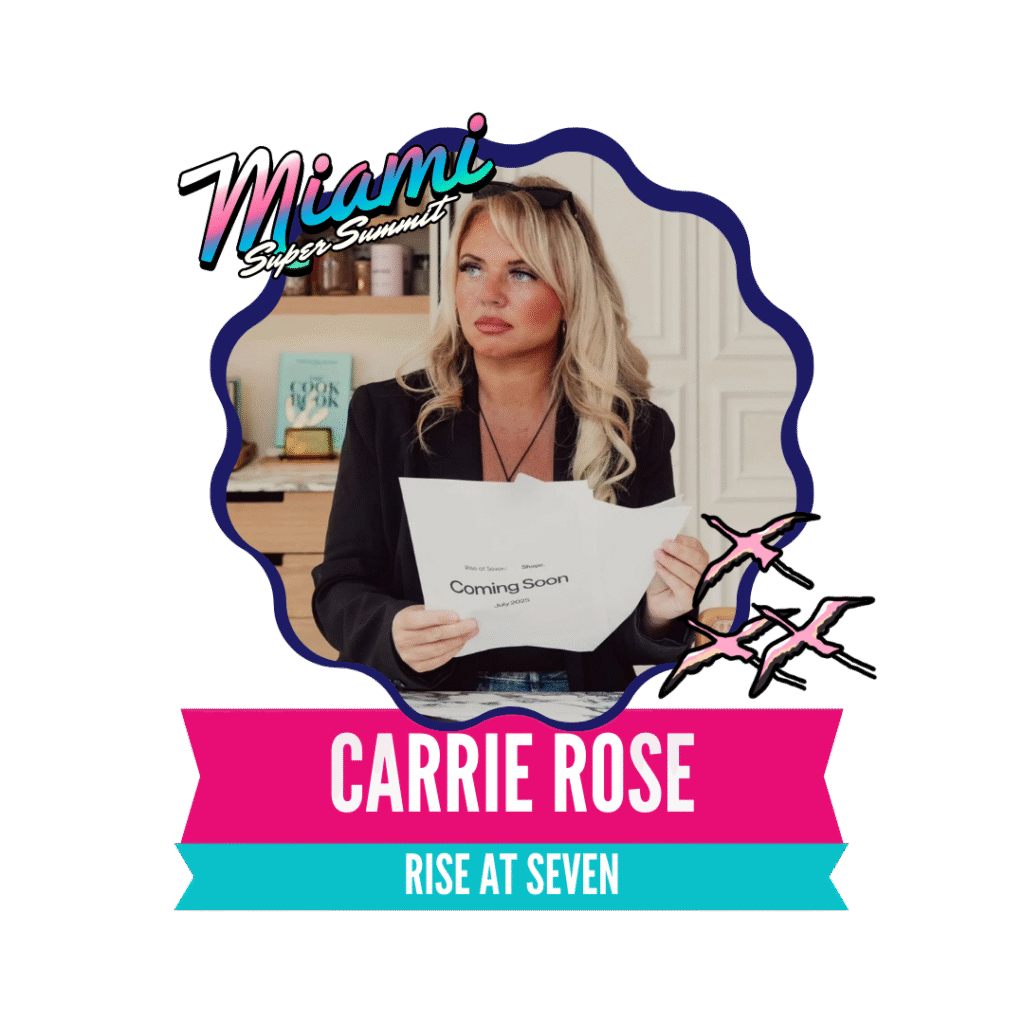
Carrie Rose of Rise at Seven has scaled her agency across the UK and US – but growth hasn’t just meant bigger revenue. It’s meant structural resets, leadership upgrades and uncomfortable decisions.
From separating her US and UK operations to unlock faster growth, to replacing a traditional sales team with senior “solutions” leaders, Carrie has rebuilt how the agency runs at every stage.
This hasn’t been linear growth. It’s been deliberate evolution.
In this session, Carrie walks through the real leadership shifts required as agencies move from founder-led to leadership-led – and why what gets you to £3m won’t get you to £10m.
We’ll cover:
- When to separate teams, markets or P&Ls to accelerate growth
- Why she removed traditional sales roles – and what replaced them
- How to build senior leaders who can truly own revenue
- What succession actually looks like inside a fast-growing agency
- The hard conversations required when your team has to “grow up” with the business
🐬 If you’re scaling – or trying to – this session will help you understand what has to change in you, your structure and your leadership team before the next phase unlocks.