
Event
Happy Clients – Speakers
Speakers


When Client Comms Get
Out of Control
Do you ever feel like you have a million different tools for a million separate things, and none of them ever speak to each other in the same language?
This is the problem that inspired co.agency’s inception.
In 2024, Adam Mobley, Managing Director of Harrison Carloss, dealt with this problem and built his own solution. “We had these pain points in our agency… so we decided to do something about it.”
Harrison Carloss had all the client comms tools set up, Outlook, Slack, Teams, WhatsApp, WeTransfer, LinkedIn. “It felt disjointed, difficult to manage, and overwhelming.”
Instead of adding yet another tool to the pile, they built something for themselves.
That turned into co.agency.
It’s basically a white-label platform that you can turn into your own client portal – with one place for conversations, files, tickets, updates … the whole lot.
No more digging through four different apps to find that one conversation from a few weeks ago, or even asking clients to resend things.
They originally built it just to fix their own internal headaches, then they got Innovate UK to back it further, and now other agencies are using it too.
If your comms feel a bit all over the place Adam will be joined by his Client Services Director Rebecca Cox to share how they fixed it.
Agency Hackers members can get £100 off every month for the first 12 months with the code ‘AH100’.
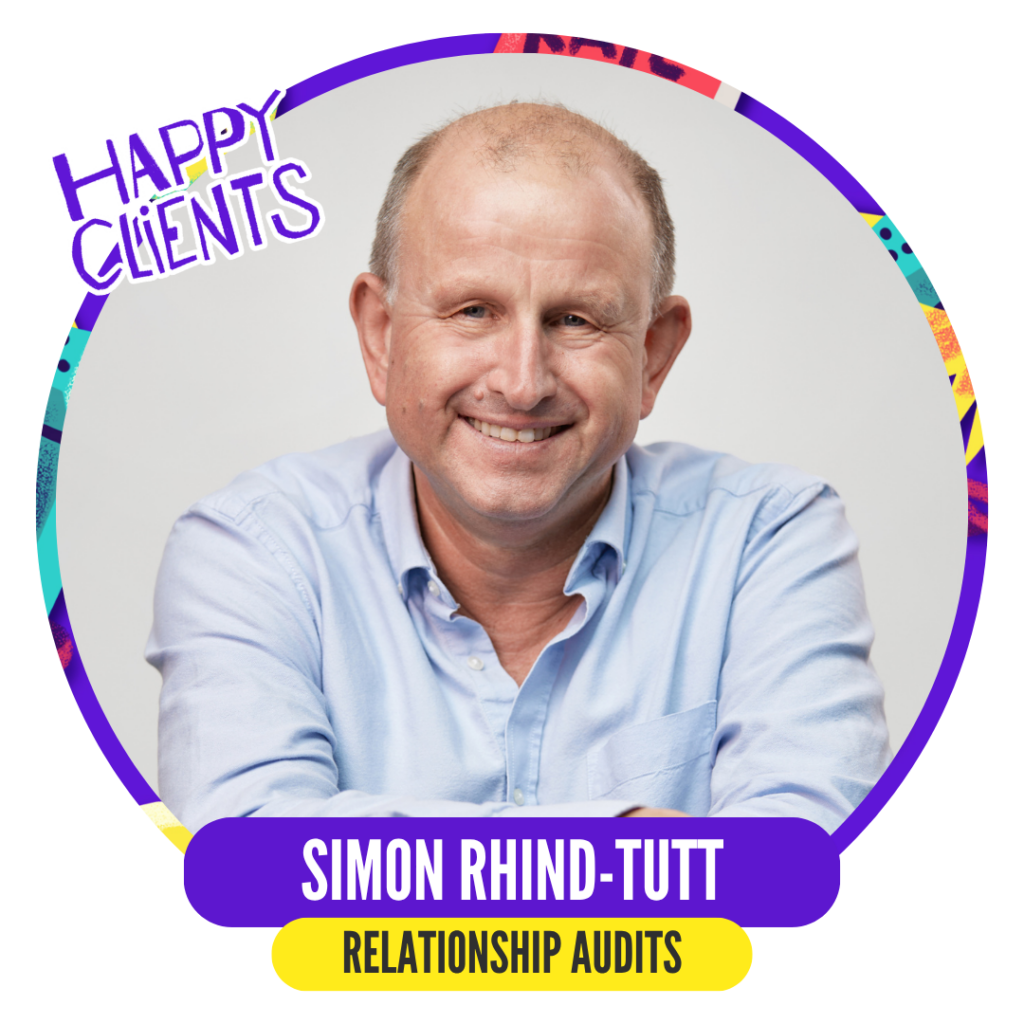
The Relationship Recession
“There’s only one conclusion when it comes to what’s shifted: we’re going through a relationship recession.”
That’s the uncomfortable reality Simon Rhind-Tutt, co-Founder of Relationship Audits, sees when he looks at the agency-client world right now.
After more than 25 years evaluating agency relationships – and analysing over 50 million data points all over the world – his team has noticed something shifting. Relationships between agencies and clients aren’t collapsing, but they’re becoming more difficult every day.
This is due to a number of factors:
- Clients feel harder to read
- Relationships feel less permanent
- Teams change at the speed of light
- Meetings happen through screens instead of in person
And the mood on both sides is the same.
“Everybody’s nervous – and nervousness equals indecision.”
“Relationships are also strained by time,” Simon explains. “You only build relationships in face time, that’s where trust is built.”
This talk will explore the real tension points between agencies and clients right now – where perceptions differ, where trust breaks down, and why agencies often think relationships are healthier than their clients do.
And most importantly, Simon will share what agencies can actually do about it.
Because if there’s one idea he wants agencies to rethink, it’s this:
“Let’s shape an industry where relationships aren’t just part of the business – they are the business.”
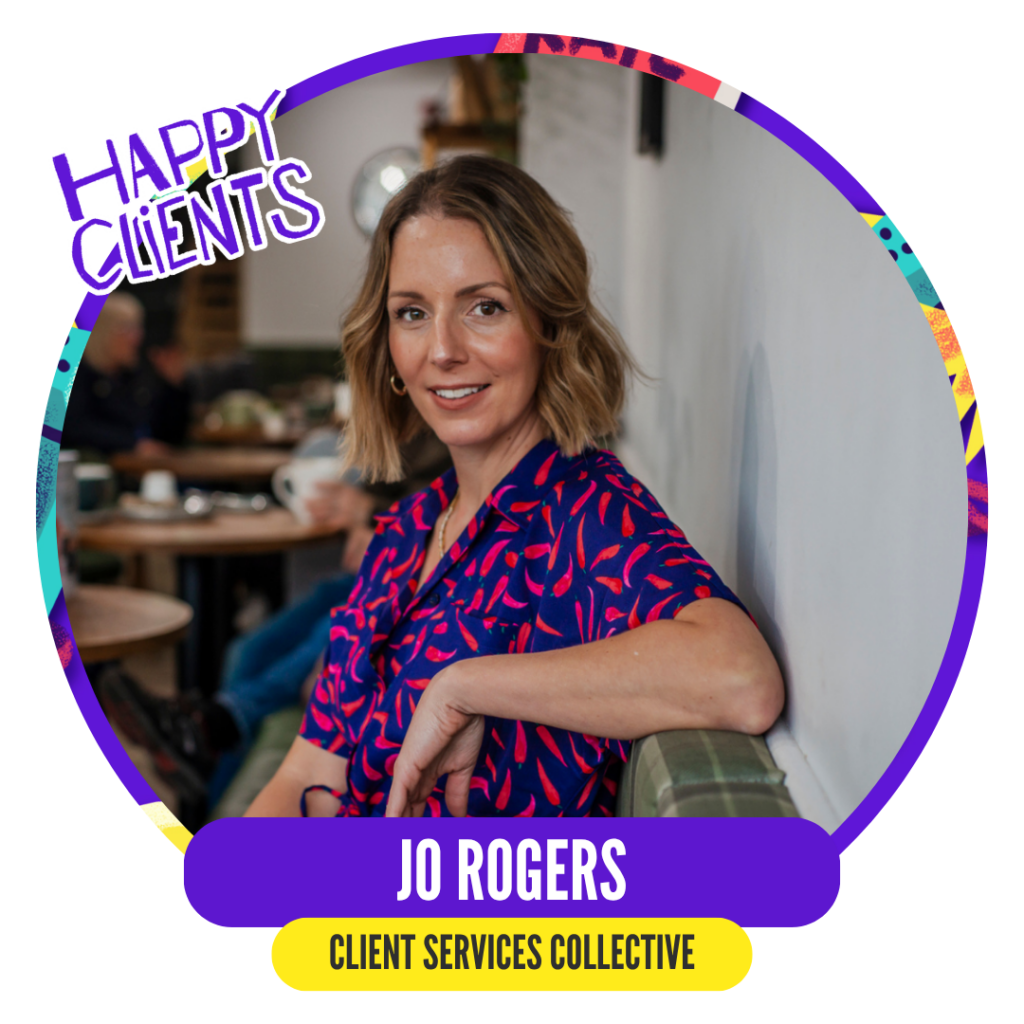
Why Clients Leave and How
to Make Them Stay
“It’s a process of looking at the whole client lifecycle.”
Jo Rogers, Founder of Client Success Matters, has spent 20 years inside agencies, watching the same pattern play out again and again.
Agencies think they’re doing everything right: if the work is solid, deadlines are hit, and the results are delivered … then what’s the issue?
Sometimes, they don’t even realise the relationship’s started to wobble. Not all at once, but more quietly than that.
Jo says that the key signs of this happening are as follows: “Emails take longer to get answered, it’s trickier to access key stakeholders – and suddenly you’re no longer in the room where the decisions get made.”
As a result, “Clients aren’t going to give you the right information, they see agencies as transactional.”
This is the moment most agencies miss. Because the problems don’t lie with the work, it’s everything around it.
“Now, the delivery is the baseline,” Jo says. “Clients are wanting all the other extra bits.”
In a market where there’s less budget, more competition, and plenty of cheaper alternatives; good delivery won’t keep a client. It just gets you through the door.
In this session, Jo breaks down how to build genuinely ‘sticky’ client relationships – the kind where you’re embedded across teams, trusted with the real problems, and hard to replace.
Right from the onboarding, Jo will flag each point that makes the clients feel your value at every step, not just at the end.
Because once you reach that point, something shifts on the client’s side. “The idea of swapping you out for another agency just feels too hard.”
Building a Commercially-Minded
CS team
“Client service has never been more important, but the job has changed.”
There was a time when agencies could grow accounts through relationships alone. Lunches, coffees, and regular catch-ups helped keep the work flowing.
Those days are fading.
“Five or six years ago, I could just email someone and say, ‘Do you want to grab a coffee? And they’d say yes,” Jemma Long from Nonsense explains. “Now clients are stretched. They don’t want to talk unless they have to.”
And why’s that?
- Budgets are tighter.
- Marketing teams are smaller.
- And agencies are being scrutinised now more than ever.
That means the role of client services is evolving – from relationship manager, to commercial partner.
At Nonsense, Jemma has been working to shift her team away from simply delivering projects, and towards thinking strategically about the client’s wider business.
“A lot of teams are seen as deliverers,” she says. “They’re working on the project, but they’re not thinking commercially.”
But the reality is that delivery is where the biggest opportunities often sit.
“That’s when you’ve got the client in your pocket,” Jemma says. “It’s the biggest opportunity to ask the right questions and connect the work to their outcomes.”
In this session, Jemma will unpack how agencies can develop more commercially-minded client services teams – without turning them into pushy salespeople.
Instead, it’s about curiosity, strategy, and learning how to connect the dots between the work you deliver and the results your clients actually care about.

The Missing Piece
to Account Leadership
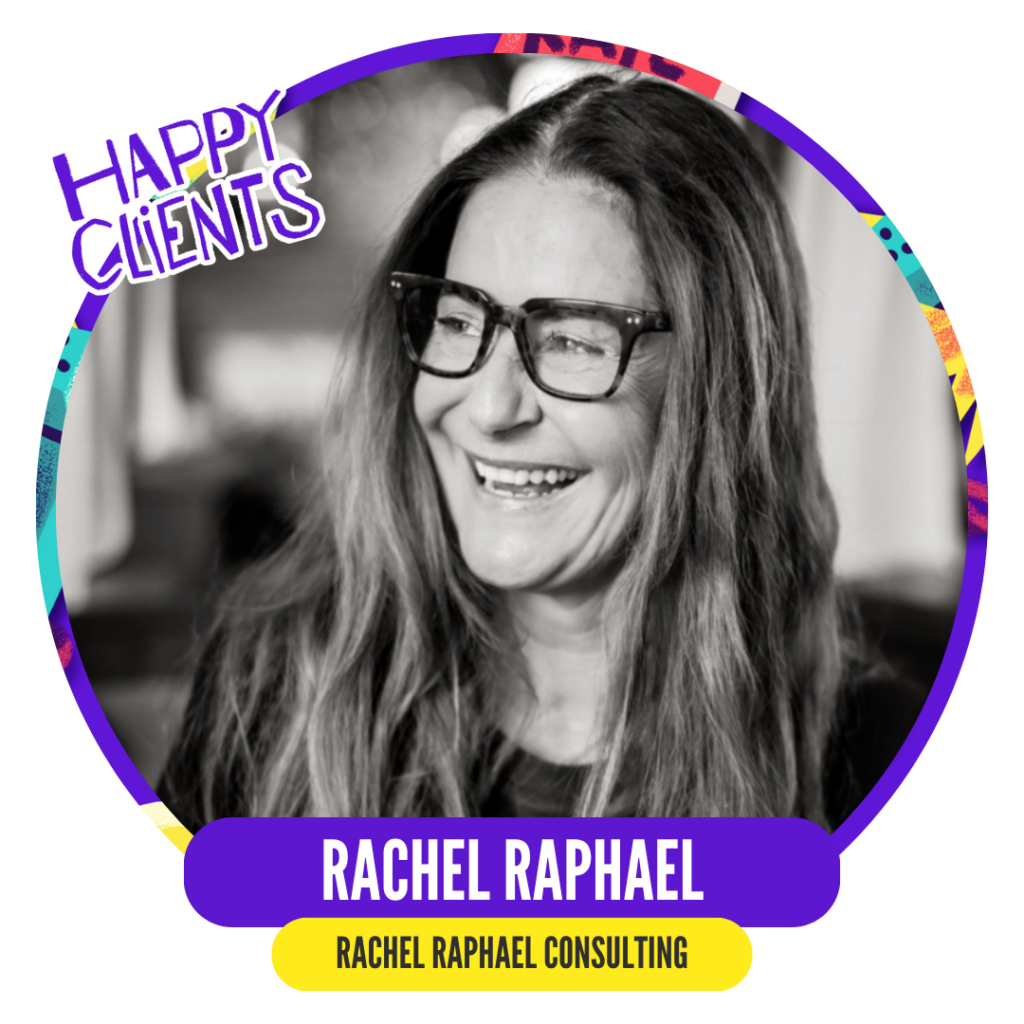
“Most agencies have invested in their account management teams. And yet the growth from existing clients still isn’t where it needs to be. The same issues keep surfacing. The missing piece is rarely where agencies expect to find it.”
That’s the heart of this session from Rachel Raphael, client leadership specialist and co-founder of The Client Impact Awards.
On paper, the shift from account management to account leadership makes sense: stronger relationships lead to more strategic thinking, which means more growth from existing clients.
But in reality, it rarely sticks.
Despite training, investment, and good intentions, most agencies are still stuck in reactive account management – firefighting, maintaining, delivering.
“The reason it isn’t sticking is rarely what agencies expect.” Rachel says.
You will leave knowing exactly what is missing, what to change, and how to unlock the incremental revenue sitting in your existing client base.
Because until you fix the system around account leadership, it won’t matter how good your people are.
What’s AI’s role in Client Services?
“People want to be heard, people want to be understood, people want someone to have their back.”
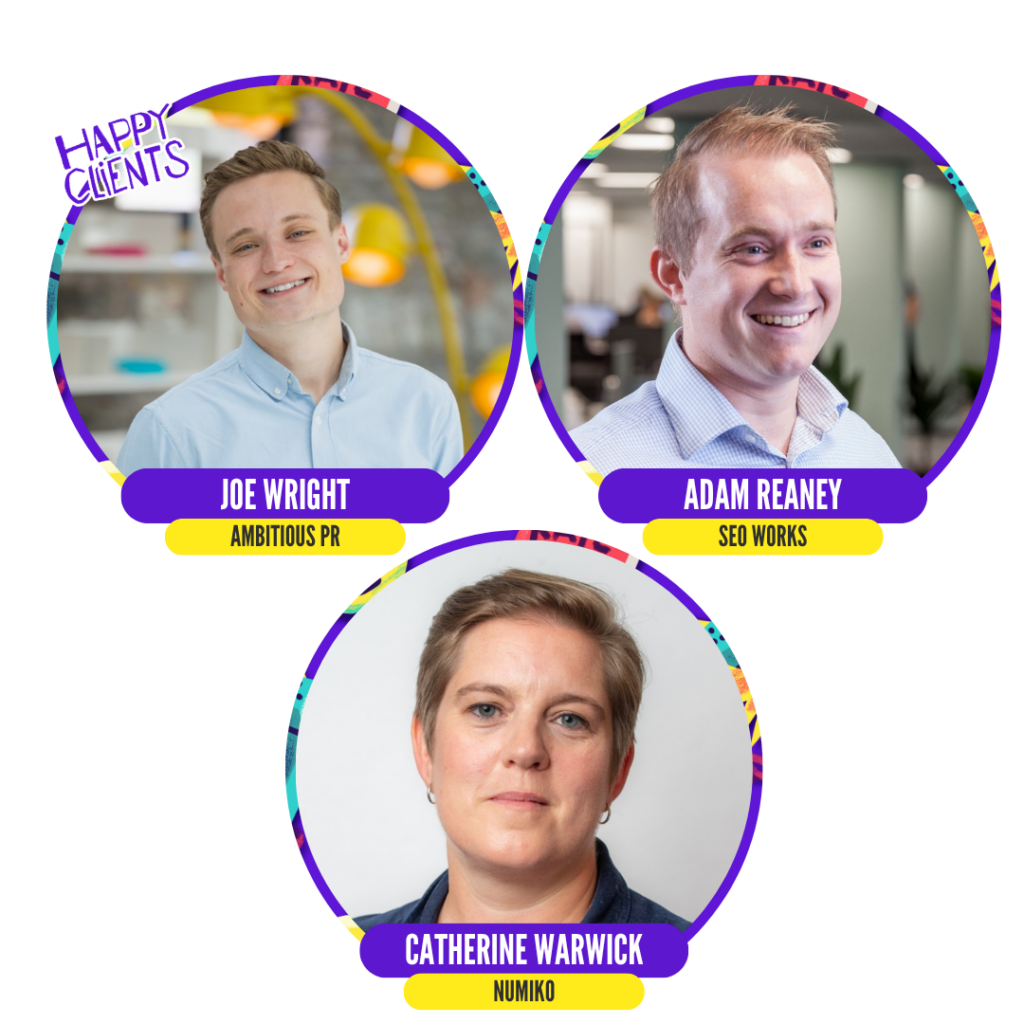
That’s Catherine Warwick’s starting point for this panel session.
While everyone is talking about AI transformation, most client-facing agency people are still asking a much messier question: where does AI actually help, and where does it break the thing that clients value the most?
Joe Wright, Director of Strategy, has seen both sides. At Ambitious PR, his team has centralised around Copilot, built an internal AI policy, and started using tools for things like reverse briefs, personas, and faster insight generation. But he draws one very clear line: “We don’t use AI for client comms … you can’t replace it for relationship management.”
Adam Reaney has found similarly practical uses for The SEO Works. AI helps him investigate disputes, draft stronger responses, and spot delivery issues earlier. But as he puts it, “the robot can’t do that” when it comes to the human side – the calls, the reassurance, the lunches, the judgement.
And Catherine has taken it even further as Client Partner at Numiko. She tried to build an AI that could do her own client partner role, only to discover that it was excellent at the ‘information work’ and hopeless at the part that actually makes clients happy: empathy, judgement, and trust.
This panel is for agencies who want the real story, not the pitch. We’ll get into what worked, what saved time, what improved service, where the risks are, and which parts of client service should stay human.

The Golden Moments That
Grow Project Clients
“Gossip is such gold.”
That’s Adam Millbank’s blunt way of describing what agencies miss when they treat project delivery as a straight line from brief to final sign-off.
Adam is co-founder of JonesMillbank, a production company where the work is often intense, high-stakes, and project-based. Which means the commercial risk is obvious: do a great piece of work, deliver it, then … hear nothing for two years.
So, instead of leaving client relationships to chance, Adam and his team have built a system around the moments when clients are naturally most open, engaged, and likely to say yes.
“It’s working out when those magic moments are,” he says. Not forced networking, or awkward dinners. The real points where your agency is already showing real value, the trust is high, attention is sharp, and conversations about future work can happen (often without the client consciously aware it’s happening).
In Adam’s case, that could be an on set recce, or midway through post-production, when the project is shaping into the final cut and the client’s excitement is peaking. Those are the magic moments where the JonesMillbank team ask for favours, secure introductions, lines up meetings, and opens the doors for the next opportunities.
“It’s about knowing where your value points are and monopolising those moments so the client feels held, but not bugged.”
In this session, Adam will unpack how to map your own project flow, spot the key relationship moments to pounce on, and build a smarter way to grow accounts when you don’t have the luxury of a monthly retainer.
Have Agencies Lost The Basics?
“Do exactly what you say you’re going to do.”
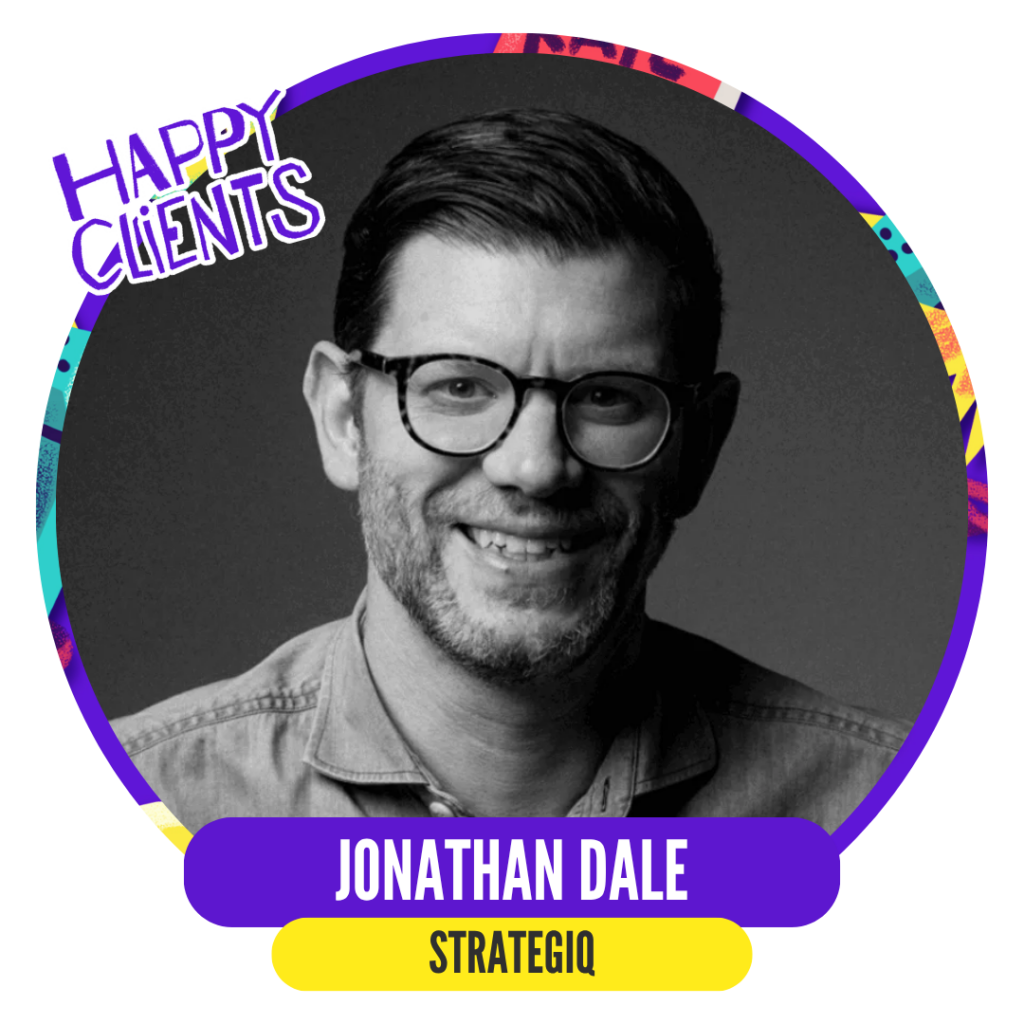
To Jonathan Dale, Client Services Lead at Strategiq, this is the thing most agencies are getting wrong.
“Agencies are rightfully obsessed with all the shiny new things,” he explains. “But it feels like the basics have started to slip.”
“And when the fundamentals go, client relationships quickly follow.”
Jonathan spent his career across global networks and boutique agencies, and he’s seen the same pattern play out again and again: the agencies that thrive aren’t the most innovative – they’re the most consistent.
“Turn up on time. Be prepared. Know your stuff. It’s crucial to a good relationship with your clients.” Jonathan says.
This unlocks the trust that actually lasts and allows you to understand them on a deeper level.
“What do they want? Are they trying to impress their boss? Do they just want an easy life at work?”
This session pushes back against the noise and serves as a reminder that great client service doesn’t just start at the end of a project, cleaning things up. It starts at the very beginning, shaping the work and setting the standard.
FAQ
Event FAQs